Buying Guides

Practical advice for evaluating a used instrument before you buy.

Buying a Used Acoustic Guitar: Inspection Checklist, Repair Costs and Deal-Breakers
Acoustic Guitar

Buying a Used Acoustic Guitar: Inspection Checklist, Repair Costs and Deal-Breakers

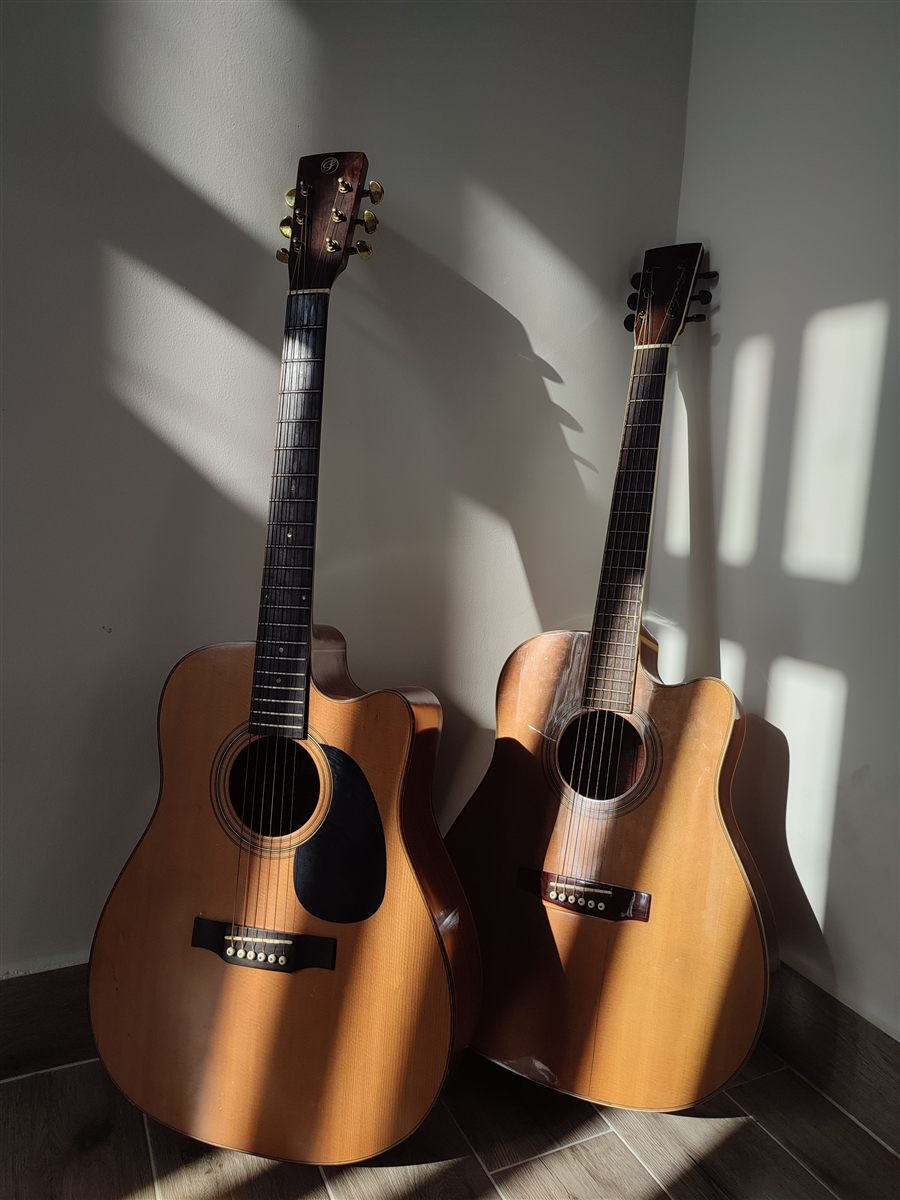
How to inspect a used steel-string acoustic in the right order: neck and truss rod, action, top, bridge, cracks, bracing, plus play test, first care and realistic repair costs (as of Oct. 2026).

Acoustic Guitar Tonewoods: Spruce, Cedar, Rosewood, Mahogany and Solid vs. Laminate
Acoustic Guitar

Acoustic Guitar Tonewoods: Spruce, Cedar, Rosewood, Mahogany and Solid vs. Laminate

What top, back and side woods really do to an acoustic guitar's sound, how solid, solid-top and laminate construction differ, how to compare and care for woods, and what rosewood regulations mean for used buyers.

Acoustic Guitar Body Shapes: Dreadnought, Concert, Jumbo and More Compared
Acoustic Guitar

Acoustic Guitar Body Shapes: Dreadnought, Concert, Jumbo and More Compared

How dreadnought, grand auditorium, concert, parlor and jumbo bodies differ in size, scale length, tone and comfort, how to pick the right one and how to check action, intonation and tuning yourself.

Buying a Used Classical Guitar: What to Check
Classical Guitar

Buying a Used Classical Guitar: What to Check

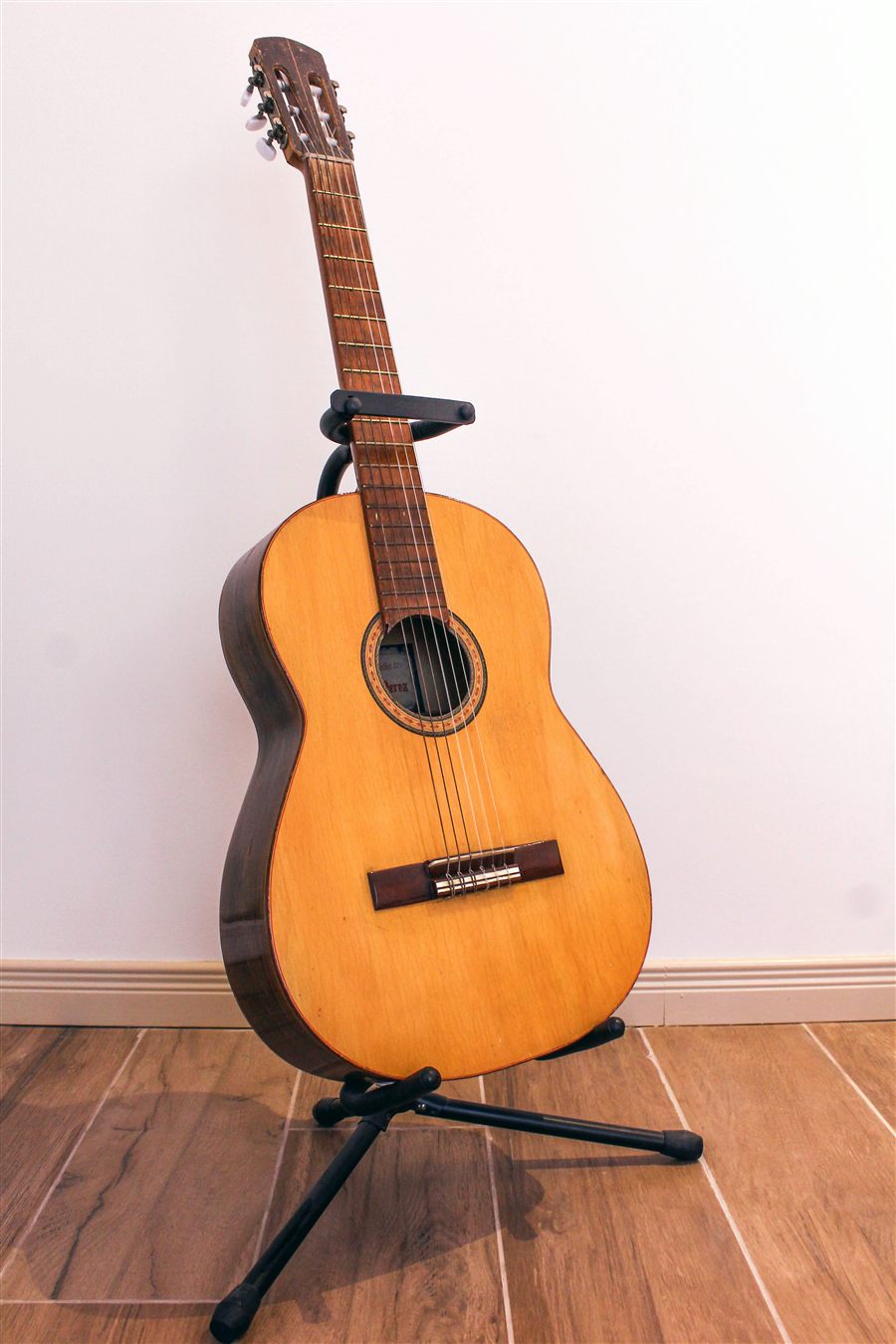
How to judge a used classical guitar: price and depreciation, inspection order, top, bridge, neck and frets, crack types, climate damage, repair costs, negotiation and red flags.

Nylon vs. Steel Strings: Why Classical Guitars Should Never Be Restrung
Classical Guitar

Nylon vs. Steel Strings: Why Classical Guitars Should Never Be Restrung

Why classical guitars take nylon strings only, what steel strings do to them, how string materials and tension classes differ, how to restring and stretch, change intervals, care and cost per set.

Scale Length and Neck Width: Finding the Right Fit for Beginners
Classical Guitar

Scale Length and Neck Width: Finding the Right Fit for Beginners

Scale length, size, nut width, neck profile and body shape of classical guitars: standard 650 mm sizes, children's sizes from 1/8 to 7/8, a size table, cutaway pros and cons, common wrong purchases and a decision guide.

Buying a Used Bass Guitar: What to Check
Bass Guitar

Buying a Used Bass Guitar: What to Check

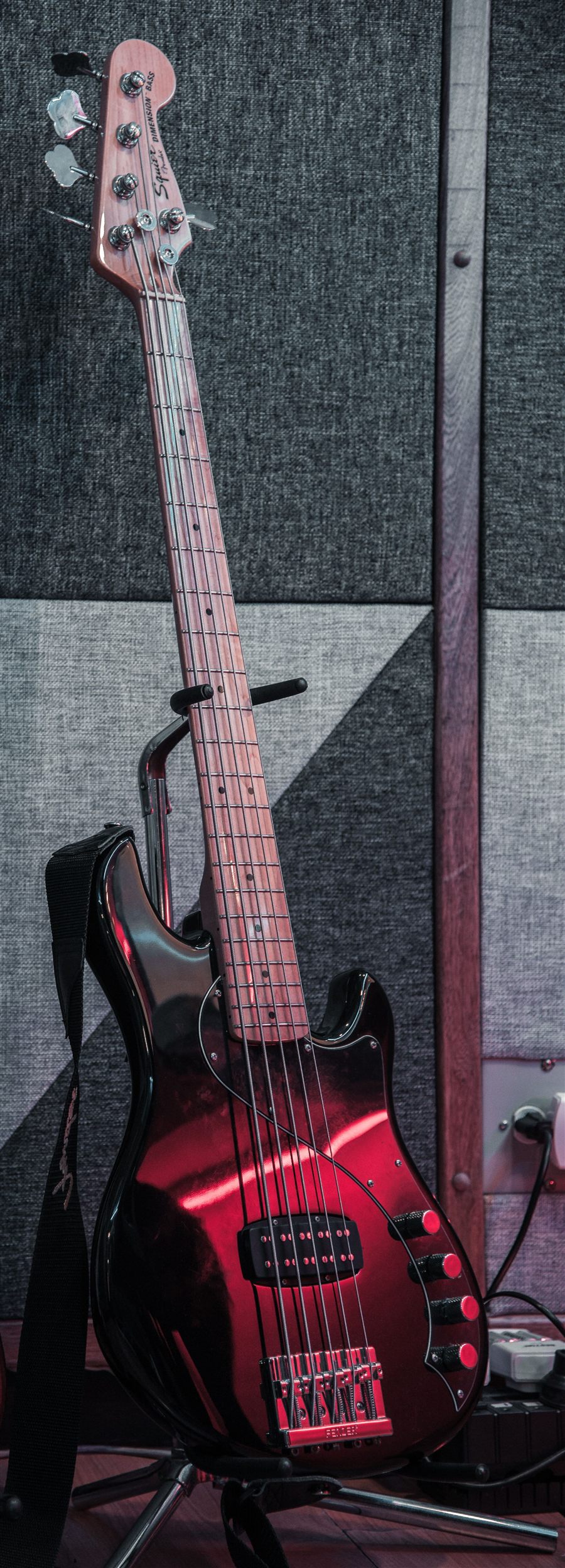
How to buy a used electric bass: where to look, rough prices, neck, frets, body and electronics checks, counterfeits, test-playing, setup basics, negotiating and shipping risks.

4-String vs. 5-String: What Beginners Actually Need
Bass Guitar

4-String vs. 5-String: What Beginners Actually Need

A buyer's guide for first basses: 4, 5 or 6 strings, short to extra-long scale, neck width, tuning, costs new and used, mistakes, myths and which bass suits whom.

Active vs. Passive Electronics: How They Differ in Sound
Bass Guitar

Active vs. Passive Electronics: How They Differ in Sound

How active and passive bass electronics differ in tone, output, battery and cost, with tips for buying used and choosing.

Precision Bass vs. Jazz Bass: Comparing the Classic Body Styles
Bass Guitar

Precision Bass vs. Jazz Bass: Comparing the Classic Body Styles

How the Precision Bass and Jazz Bass differ in history, pickups, sound, neck width, body and price, plus PJ hybrids, used-market checks, myths and a P-or-J decision guide.

Buying a Used Banjo: What to Check
Banjo

Buying a Used Banjo: What to Check

How to inspect a used banjo: neck, neck angle, frets, pot, hoop, hooks, resonator, bridge and head, how to check and adjust head tension, setup figures, new and used prices in the US, typical repair costs, warning signs and care.
4-String vs. 5-String Banjo: Differences for Beginners
Banjo

4-String vs. 5-String Banjo: Differences for Beginners

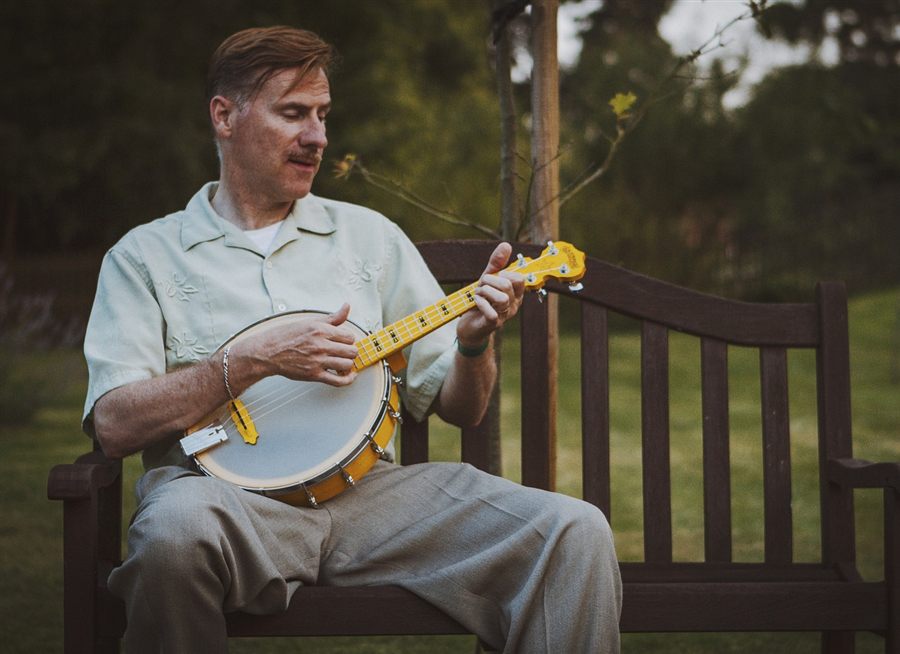
How 4-string tenor and plectrum, 5-string and 6-string banjos differ, which tunings and styles go with them, open-back versus resonator, what beginners should buy, new prices, accessories and typical wrong buys.