Cello
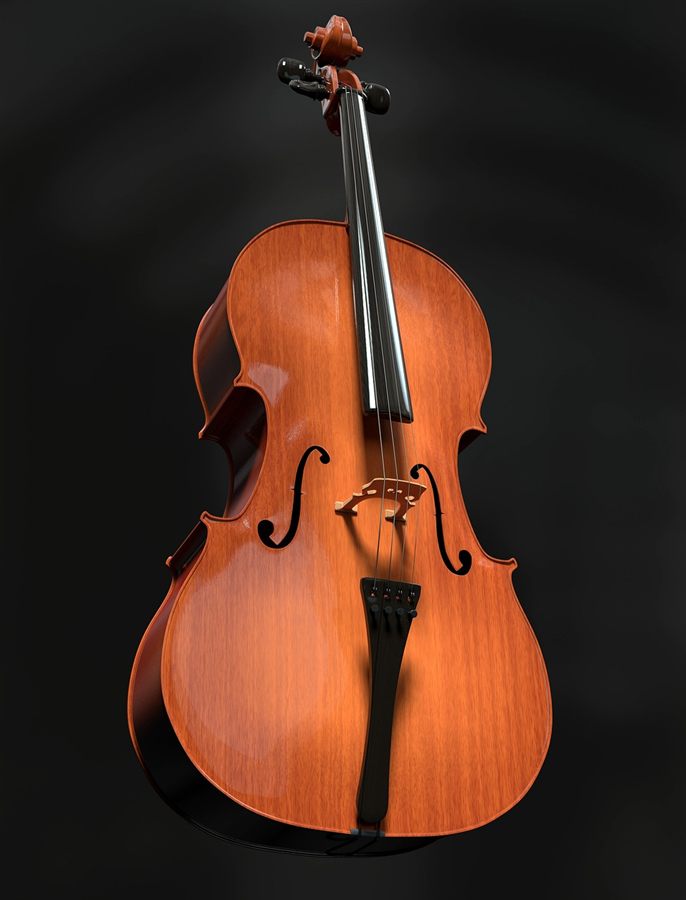
D Z Strad Cello Model 300
Price: 3.016 EUR – 3.016 EUR
Price history
Cheapest seen
Most expensive seen
Availability: 0/10 (Very rare)
A step-up cello within D Z Strad's numbered range, using better tonewood selection than the entry Model 101 for a student ready to move beyond a pure beginner instrument.
About the D Z Strad Cello Model 300
As D Z Strad's model numbers increase, the brand generally applies more careful tonewood selection and finishing work, and the Model 300 represents that first meaningful step up from the entry-level Model 101 - still a complete outfit with bow, case and rosin included, but built to give an advancing student a more refined tone as their ear and technique develop past a genuine beginner's needs.
This step-up positioning fills the gap many string programs recognize: a student who has outgrown a rental-grade beginner cello's limitations but isn't yet ready for the cost of a handmade professional-tier instrument, giving them a genuine quality improvement without a dramatic price jump.
Where to buy
-
Reverb D Z Strad Model 300 Cello w/ Bow, Case, and Rosin 3.016 EUR Best price View details
No platform selected – pick at least one above.
Some links below are affiliate links. We may earn a commission at no extra cost to you.
Source: https://reverb.com/item/43778971-d-z-strad-model-300-cello-w-bow-case-and-rosin
Sound character of the D Z Strad Cello Model 300
The step up to Model 300 brings more careful tonewood selection than the Model 101, giving a fuller, more resonant tone with richer overtones - still factory-built rather than individually voiced by a luthier, so the improvement over the entry model is incremental rather than a leap into handmade-tier resonance.
What owners of the D Z Strad Cello Model 300 say
No independent player forum discussion or community voice on this model turned up in this research. Several affiliate-style comparison articles hand out a full 5.0-star rating or call it an Editor's Choice, but at least one of those pages mixes in rating numbers that actually belong to a different model from the same brand, which seriously undercuts trusting those numbers as genuine user feedback rather than templated promotional copy. The one substantive, recurring point across sources is simply that this tier is positioned above entry level, aimed at players looking for a refined step-up instrument.
Playability & handling of the D Z Strad Cello Model 300
No independent hands-on review of this exact model turned up, only retailer copy and affiliate comparison lists - and one of the few listings that does describe the Model 300 in detail mixes its specs with a different model number from the same brand in places, which makes those specific claims unreliable rather than just promotional. The one consistently repeated point across sources is simply that this tier sits above the entry-level Model 101 and is meant for a student who has outgrown a true beginner instrument, not someone just starting out.
Recommended accessories & strings for the D Z Strad Cello Model 300
An endpin stopper is close to essential on hard floors - it keeps the cello from sliding and protects the floor from scratches at the same time. Rosin and a cleaning cloth for wiping off rosin dust after playing round out the basics, and a sturdy music stand is worth the money over a cheap folding wire one that tips over easily. Unlike violin or viola, a cello doesn't need a shoulder rest - the endpin already does that stabilizing job. An instrument humidifier is optional but can help prevent cracks or warping from temperature and humidity swings, and a practice mute is worth having for quiet playing in an apartment or hotel room.
Technical data for the D Z Strad Cello Model 300
| Includes | Case, bow, rosin |
|---|---|
| Level | Step-up (above entry Model 101) |
| Line | D Z Strad numbered series |
Price history for the D Z Strad Cello Model 300
Cheapest seen: 3.016 EUR · Most expensive seen: 3.016 EUR
Cheapest seen
Most expensive seen
The history of the D Z Strad Cello Model 300
D Z Strad's Model 300 offers a step up in tonewood quality from the entry Model 101 within the brand's numbered cello line.
About D Z Strad as a manufacturer
Independent, verifiable background on D Z Strad as a company remains hard to find. The brand positions itself around handmade string instruments across the violin family, and one secondhand source credits it with decades of operation out of New York City, though without naming a founder or citing a primary source, so that claim is noted here with that caveat rather than treated as fact. As with several budget-to-mid-tier string brands, the name itself nods toward Stradivari without any actual historical link to the Cremonese maker. Promotional material also references trade-in and rental programs alongside lessons, none of which could be independently confirmed, and no reliable source gives a verifiable manufacturing location or ownership structure for the brand.
Related guides
 Checking the Endpin, Bridge and Sound Post Condition
View details
Humidity and Cracks: Protecting a Cello Through Winter
View details
Cello Sizes for Children and Adults Explained
View details
Cello Strings Explained: Gut, Synthetic, and Steel Core
View details
Choosing a Cello Bow: Wood vs. Carbon Fiber
View details