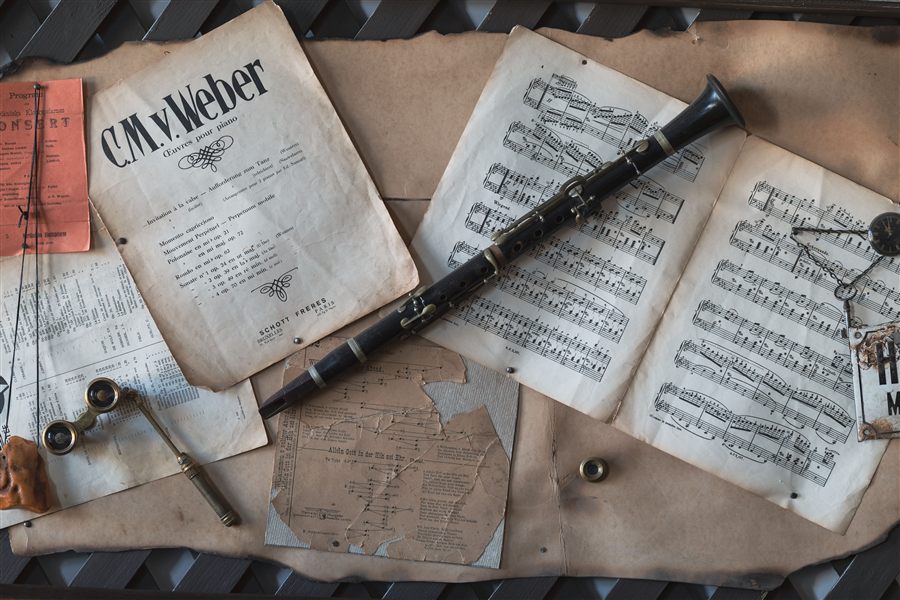
The stock mouthpiece and barrel that come with a mid-tier or student clarinet are often the first parts experienced players replace - not because the clarinet itself is deficient, but because these two parts have an outsized effect on tone for their relatively low cost.
Mouthpiece
The mouthpiece's internal chamber shape, tip opening and facing curve affect tone color, response and how easily the clarinet plays in tune, similar in principle to the mouthpiece/reed relationship on saxophone. A well-regarded upgrade mouthpiece is one of the most cost-effective ways to improve a mid-range clarinet's sound without buying a new instrument.
Barrel
The barrel - the short section between mouthpiece and upper joint - affects both tone color and intonation tendencies (some barrels run a clarinet slightly sharp or flat overall), and different barrel lengths are also used to fine-tune overall pitch to match an ensemble's tuning reference.
What this means for buying used
A used clarinet that seems to intonate oddly or sound duller than expected for its make and model is sometimes actually being held back by its stock mouthpiece or barrel rather than a fault in the instrument itself - worth testing with a different mouthpiece before assuming the clarinet is the problem, and worth knowing that "just" a mouthpiece or barrel swap is a realistic, moderate-cost upgrade path rather than needing a whole new instrument.