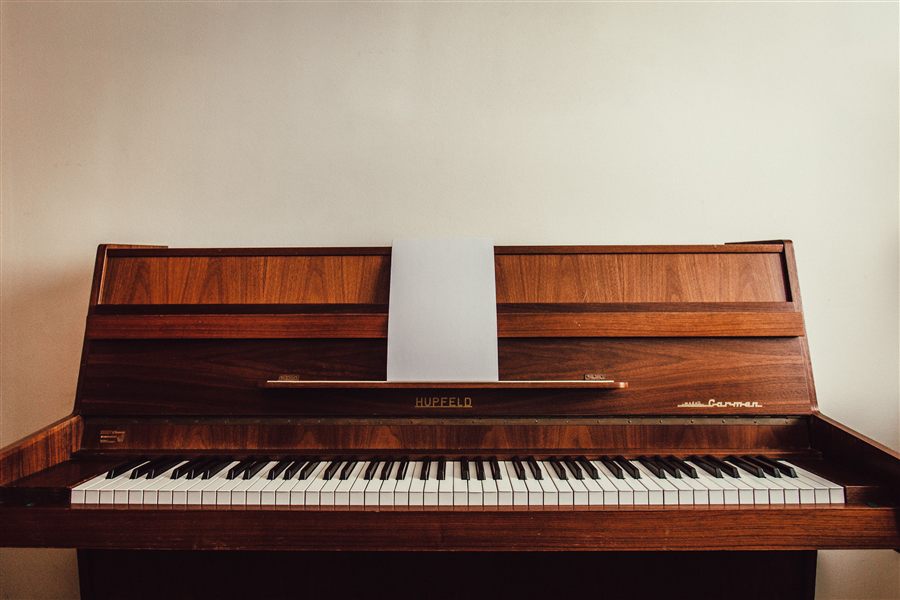
Pianos are built almost entirely from wood, felt and metal - all of which respond to humidity, and repeated humidity swings do more long-term damage than age on its own.
Placement matters
- Direct sunlight and proximity to radiators or heating vents cause uneven drying and can damage the finish and internal wood.
- Exterior walls, especially in older or poorly insulated buildings, expose a piano to more temperature and humidity swings than interior walls.
- Basements and unheated rooms often run at higher humidity, risking rust on strings and tuning pins, and swollen wooden parts.
What to ask a seller
- How long has the piano been in its current location, and was that room climate-controlled?
- Was it ever stored in a garage, basement, or non-climate-controlled space for an extended period?
A piano's placement history is genuinely hard to verify after the fact, but visible symptoms - rust, a musty smell, finish damage, or a soundboard that has clearly lost its crown - are the practical evidence that placement history actually matters.