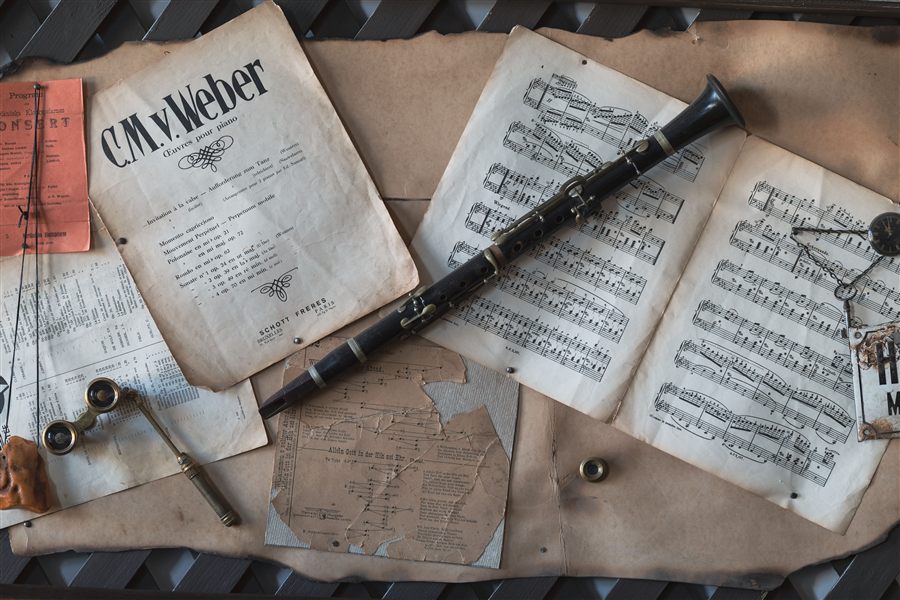
A clarinet's joints are connected by tenon corks - cork wrapped around the connecting tenons that seal each joint airtight and cushion the fit. They are a normal wear part, but their condition is easy and worthwhile to check when assembling a used clarinet before buying.
What to check
- Assembly feel: joints should go together with firm, even resistance - not so loose that they wobble or feel like they could slip apart, and not so tight that assembly requires forcing or twisting hard enough to risk damage.
- Visual condition: cork that is cracked, flaking, or visibly compressed/flattened in patches is a sign it needs replacement soon, even if the joint still technically goes together.
- Air seal: a loose-fitting tenon can leak air at the joint, which affects response and tone even if every pad and other seal elsewhere is perfect - a subtle problem that's easy to misattribute to something else.
Why it's not a major concern for buying used
Tenon cork is a routine, low-cost, quick repair for a qualified tech - a used clarinet with worn tenon corks is not a red flag about the instrument's overall quality, just a normal maintenance item to factor into your budget and timeline, similar to needing new strings on a used guitar.