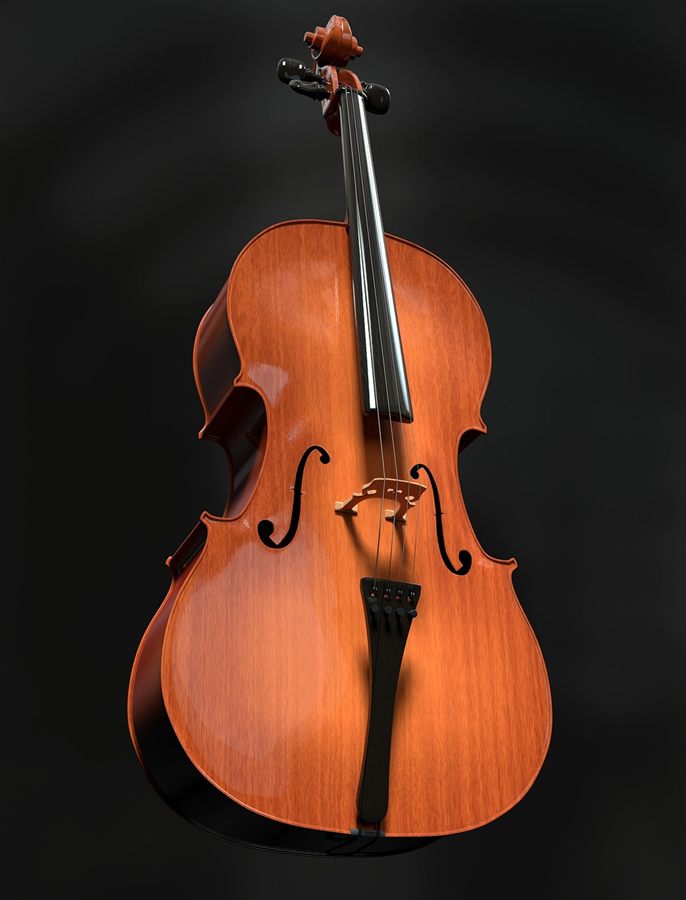
A good used cello comes down to four things: no open or load-bearing damage, a sound neck and bridge setup, a clean setup overall, and a tone you like on all four strings. Realistically, a solid student cello starts at roughly $1,500 to $2,500, an intermediate instrument runs about $2,500 to $5,000 and up, and with fine instruments the maker, provenance and condition decide the price. Never buy on price or label alone. Judge the specific instrument, and have someone who knows cellos check it before any major purchase.
What a used cello should cost: the tiers at a glance
Cello prices vary enormously, and sources disagree on exactly where the tiers begin and end. As rough guideposts for the US (as of Oct. 2026):
| Tier | Rough price range | What to expect |
|---|---|---|
| Very cheap | under about $1,000 | Often laminated wood, inconsistent build, poor setup, high frustration risk |
| Beginner | about $1,500 to $4,000 new, used often less | Solid carved wood, established workshops, a proper luthier setup |
| Intermediate | about $2,500 to $8,000 | Smaller workshops or limited production, more carefully selected tonewoods, instruments meant to last years |
| Advanced to pre-professional | about $10,000 to $20,000 | Individually made or limited-production instruments, strong tone, documented origin matters |
| Fine and antique | $25,000 and up | Historic European instruments and rare contemporary work, where maker, provenance and condition drive the price |
The boundaries overlap, because dealers define the tiers differently. A cello priced far below the tier it appears to belong to deserves extra scrutiny.
Beginner
Setup matters more than the name. A properly set-up budget cello plays and sounds noticeably better than the same model straight out of the box. Aim at minimum for a solid spruce top, ideally an all-solid instrument. Under about $1,000, laminate is common: it is sturdier but sounds flatter and responds more slowly, which can work against a developing player. Pay attention to the right cello size too, because an instrument that is too big or too small strains posture and technique.
Intermediate
This is where instrument-to-instrument differences become pronounced. Two cellos at the same price can sound quite different, so compare several with the same strings. A good used cello often sounds richer than a new one at the same price because the wood has matured, and it usually costs less.
Fine instruments
The price reflects the maker's reputation, documented history, condition and tone. Appraisals of the same instrument can differ by up to about 30 percent. Damage and repaired cracks reduce resale value, and the effect is larger the more valuable the cello.
Workshop cello or master cello: where the price gap comes from
The difference lies in how much individual hand work and personal decision-making went into the wood selection, graduation of the plates and the setup.
- Factory-made: built in batches with standardized parts, often partly by machine, aimed at the student and rental market. Quality varies between individual instruments, and the condition of the cello in front of you matters more than its category.
- Workshop-made: built in smaller shops with more hand finishing, sometimes with bought-in components. This is where most solid cellos for serious amateurs and advancing students sit.
- Master-made: built largely or entirely by one maker who selects the wood and makes the structural choices. The price reflects skill, reputation and documented history, and can be far above workshop instruments of similar age.
The terms are not formally regulated, and the lines blur. A well set-up factory cello can outplay a neglected workshop instrument, so judge the cello, not just its label.
The used-cello checklist
Work through these points in order and note each finding. Anything you cannot judge, show to a luthier.
Cracks, seams and varnish
- Cracks in top and back: Angle a light across the surfaces and run a fingernail gently over anything suspicious. A crack is not automatically a deal-breaker, since many are repairable. What matters is location, length, direction and whether earlier repairs are holding.
- Soundpost cracks: The soundpost transfers pressure from the top to the back, and its small contact area carries a lot of force. Cracks there, or in the back opposite, are more serious than an edge crack and need an expert's opinion.
- Open seams: When the glue joint between the top or back and the ribs lets go, you get buzzing and rattling. Open seams are often mistaken for cracks. Because traditional glue is reversible, they are usually simpler to fix than a wood crack. Check the upper treble and lower bass ribs in particular.
- Around the endpin socket, C-bout corners, tailpiece and bridge feet: Stress damage tends to show here, so look carefully.
- Neck, button and scroll: Damage near the button is critical, because that area absorbs string tension.
- Varnish: Wear is normal and does not hurt tone. Heavy retouching can hide earlier repairs, so ask about it.
Neck, fingerboard and string height
- Sight down the neck. A slight curve is normal, a twist or strong bend is not.
- An uneven or worn fingerboard causes buzzing. Dressing it is a routine repair, but not a free one. A well-made fingerboard is smooth with a gentle scoop, slightly more on the bass side than the treble side.
- String height at the bridge should be neither so high that you need a lot of force, nor so low that tone suffers. A sudden rise in string height can point to a dropped neck angle or a shifted soundpost.
- The neck should feel smooth and comfortable, ideally oil-finished rather than thickly varnished, so your thumb does not stick when you shift.
Bridge, soundpost and endpin
The bridge should stand upright at a right angle to the cello, with both feet fully in contact with the top, and have cleanly cut string grooves, or neighboring strings can rattle against each other. Look through the f-hole at the soundpost: it should have no visible cracks or splinters and stand about a finger's width behind the bridge. Adjusting it is a shop job. The endpin has to sit firmly and extend and retract cleanly. More in checking endpin, bridge and soundpost.
Pegs, tailpiece and fine tuners
Pegs should turn easily, hold tuning and not slip or jam. They can swell in humid weather, but constant slipping points to a poor fit. A tailpiece with built-in fine tuners is common on cellos and not a red flag.
Playing and listening
Play a passage you know well on all four strings and in all positions, from the softest pianissimo to a strong fortissimo. Listen for even volume across the strings, clean response on the C and G strings, an even tone in the upper positions, and any buzzing between neighboring strings. A wolf tone, an unsteady, fluttering response on particular notes, appears on many cellos, often around the D string. A wolf eliminator can often tame it, but it should not be severe. Ask someone to play while you listen from two to three meters away, because under your own ear every cello sounds different than it does across the room.
Trying, inspecting and choosing where to buy
- Second opinion: Bring an experienced cellist, a teacher or a luthier. If you cannot judge tone and setup yourself, especially in a private sale, do not decide alone.
- Compare several: Play several cellos back to back, note your impressions for each register, and if possible take instruments home for a few days of side-by-side comparison.
- Do not take the first one: The first instrument you try is seldom the best one for you.
Dealer or private sale
A specialist dealer or luthier usually inspects and sets up instruments before selling them, trial periods are common, and some shops credit a cello against a future upgrade. That tends to cost more but reduces risk. In a private sale you sometimes get a better price, but you carry the risk of hidden damage, incorrect claims about origin and missing setup entirely on your own. Be especially careful with online bargains. With consignment instruments, ask how long the cello was stored and who last worked on it.
Papers and provenance
A label inside is not proof of origin, because labels are imitated and glued in. For anything sold as a significant workshop or master cello, get an independent appraisal before paying a high price. Documented provenance, receipts and earlier repair records raise confidence and value. Have the seller's claims confirmed in writing. For legal questions or import rules, ask the competent authority, because we do not give legal advice here.
Costs around the purchase
Repairs and setup
Prices vary by shop, so get a quote. A few anchors from US shops (as of Oct. 2026): a cello bow rehair is around $100, and a basic maintenance service, including inspection, bridge and soundpost adjustment, peg treatment and light cleaning, starts around $35. For a new bridge, a new soundpost, fingerboard work or crack repair, prices vary by shop, so get a quote. Crack repair in particular cannot be priced responsibly without seeing the instrument, because location, extent and earlier repairs drive the effort. Request a quote before you buy and subtract the expected cost from the price. Gluing cracks, neck work and setting the soundpost belong to a qualified shop, since errors can damage the instrument. Here we only explain what is done and how you recognize the need.
Accessories
Budget for a bow, a case, rosin, an endpin holder, a tuner and ideally a hygrometer. The bow is one of the most important parts, and bundled outfits often include a poor bow and cheap rosin. Rough ranges for bows (as of Oct. 2026): about $100 to $500 for beginners, $500 to $2,000 for intermediate players, and more beyond that. A common rule of thumb is to set aside roughly 20 to 30 percent of your total budget for the bow. More on materials in wood vs. carbon cello bows, and on strings in comparing cello strings. Replace old strings on a used cello anyway.
Trying through a rental
If you are unsure, renting first is an option, and some shops credit part of the rental toward a purchase. It lets you get to know an instrument before committing. Rental prices vary by shop.
Climate, storage and condition
Wood moves. Winter dryness makes wood shrink and crack, while too much humidity softens glue joints. Ask how the cello was stored, and keep yours at steady humidity afterward, never in a car or in the sun. More in humidity, cracks and winter protection.
Common mistakes when buying used
- Buying on price or label without playing the specific instrument.
- Closing a private sale without an expert.
- Taking the first cello that more or less fits.
- Not budgeting for bow, case and setup, and stretching the budget for the cello alone.
- Dismissing a crack as either a total loss or trivial without having it assessed.
- Equating old with good. Condition and care matter more than age, because cellos hardly wear out with age.
- Paying for a fine instrument without an appraisal and provenance.
- Ignoring size.
Checklist to take along
- Set a budget that includes bow, case, setup and possible repairs.
- Inspect the outside for cracks, open seams and heavy retouching.
- Sight the neck and check the fingerboard and string height.
- Check bridge, soundpost, endpin and pegs.
- Play all four strings in all positions and have someone play it for you from a distance.
- Compare several instruments, over a few days if possible.
- Have a luthier or an experienced player inspect it.
- Put provenance, repairs and promises in writing.