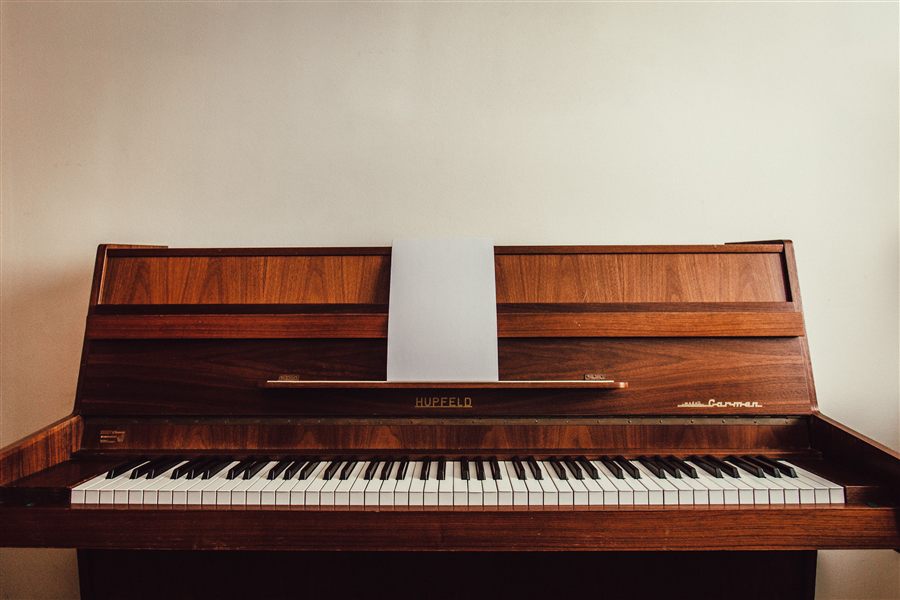
Tuning adjusts the pitch of each string; it is different from regulation (adjusting the action's mechanics) and voicing (adjusting tone), which are separate services entirely - see our article on regulation vs. voicing for that distinction.
When tuning is needed
- A piano that hasn't been tuned in over a year, or one moved recently, will very likely need it - moving and seasonal humidity changes both pull pianos out of tune.
- A piano that has sat far out of tune for a long period (sometimes called being at "concert pitch drift") may need a two-step "pitch raise" followed by a fine tuning, since bringing all strings up in pitch at once puts extra strain on the frame.
What it costs
A standard tuning is a routine, relatively inexpensive service compared to other piano maintenance - most technicians recommend tuning roughly once or twice a year for a piano in regular use, more often for one that just arrived after a move or a long period of neglect.
Regular tuning isn't just cosmetic: keeping a piano close to standard pitch reduces long-term string tension stress and makes each subsequent tuning easier to hold stable.