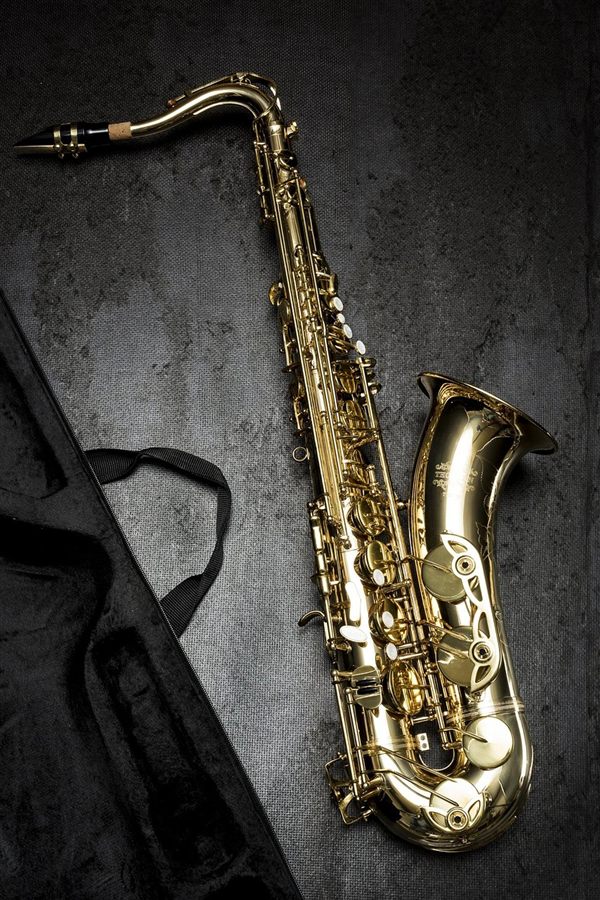
Buying a Used Saxophone: What to Check
Press each key and check that it returns quickly and fully under spring tension, without sticking or feeling sluggish, since gummed-up or worn key mechanisms are common on saxophones that sat unplayed for years. Check every pad (the leather or synthetic discs that seal the tone holes) for tears, hardening or an uneven seal by holding a piece of paper under each closed pad and gently pulling it out. Inspect the body for dents, especially near the neck and bell, since even small dents can affect intonation depending on location. A saxophone that "just needs a service" (fresh pads, corked joints, adjusted springs) is a completely normal, reasonably priced repair, not a reason to avoid an otherwise solid horn.