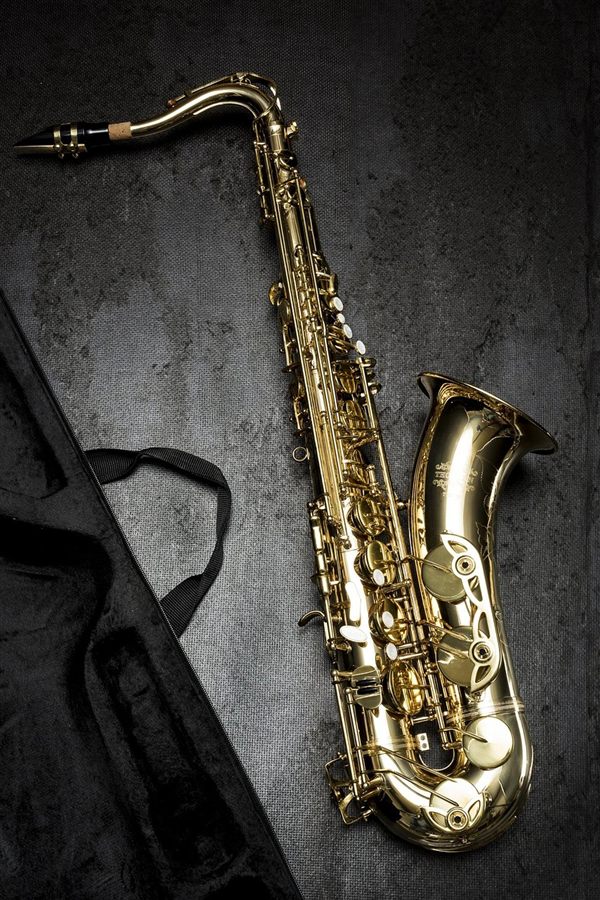
The soprano saxophone looks like a simpler, more compact option, which leads some beginners to consider it as a first instrument - but it is consistently recommended as a second horn rather than a starting point.
- Its straight, narrow conical bore makes pitch far more sensitive to embouchure than alto or tenor - small changes in lip pressure shift the pitch noticeably, which makes playing in tune harder to learn on.
- Because of that pitch sensitivity, intonation problems that would be minor on alto are much more exposed on soprano, which can be discouraging before a player has developed embouchure control.
- Most players, including most working soprano players, started on alto or tenor first and added soprano once basic tone production and embouchure control were established.
For someone specifically drawn to soprano sax repertoire, starting on alto first to build fundamentals, then moving to soprano, is the path most consistently recommended by experienced players - rather than trying to learn saxophone fundamentals and soprano's pitch sensitivity at the same time.