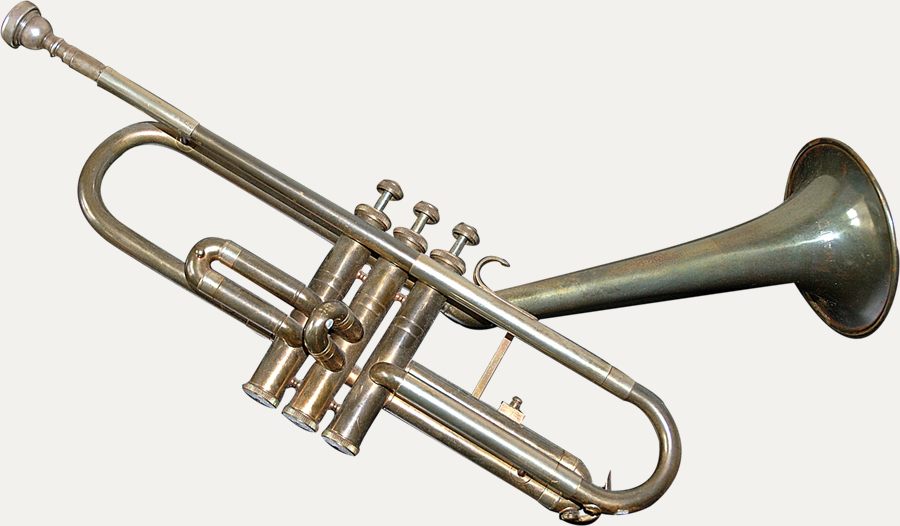
Buying a Used Trumpet: What to Check
Press each valve straight down and release, checking it moves smoothly with no side-to-side wobble and returns fully under spring pressure without sticking. Remove each valve and check the felts and corks at the top for wear, and check the valve casings and slides for dents that could restrict airflow or prevent smooth slide movement. Pull each tuning slide and the main slide to check they move freely without being frozen in place, a common issue on trumpets that have sat unused, since stuck slides can require professional freeing without damaging the metal. A trumpet with a few cosmetic dents but healthy valve action and free-moving slides is usually a solid, fairly priced buy.