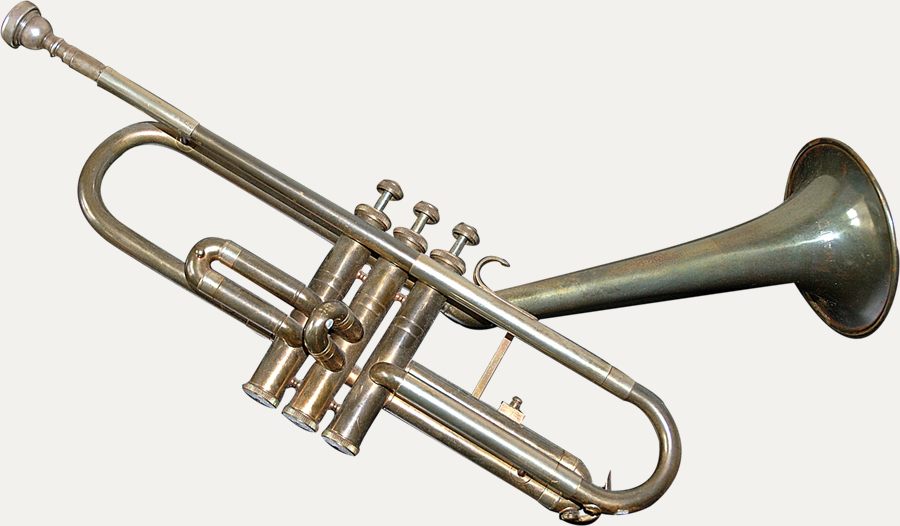
Valve compression - how well each valve seals air in its casing - is one of the most repeated pieces of advice on trumpet forums for evaluating a used horn, because it directly affects response and how easily notes speak.
Simple checks you can do without tools
- Press-and-release test: press a valve down fully and release - it should return to the up position briskly and evenly by spring tension alone, with no sticking or grinding feel.
- Compression test: with a valve pressed halfway down (not fully), block the mouthpiece end and blow gently, or press the valve down with the other valves at rest and feel for resistance as you push - poor compression feels "spongy" or lets the valve sink with little resistance.
- Listen and feel while valve-testing each combination (1, 2, 3, and combinations together) for uneven speed or a valve that feels looser than the others.
What affects compression over time
Wear on the valve and its casing, dried or insufficient valve oil, and dents or out-of-round casings from a drop can all degrade compression. Sellers describing a horn as having "good compression" are flagging this specifically because it is a common failure point - it is worth verifying yourself rather than taking the description at face value, since a trumpet that looks cosmetically fine can still have valves that are due for a professional overhaul.