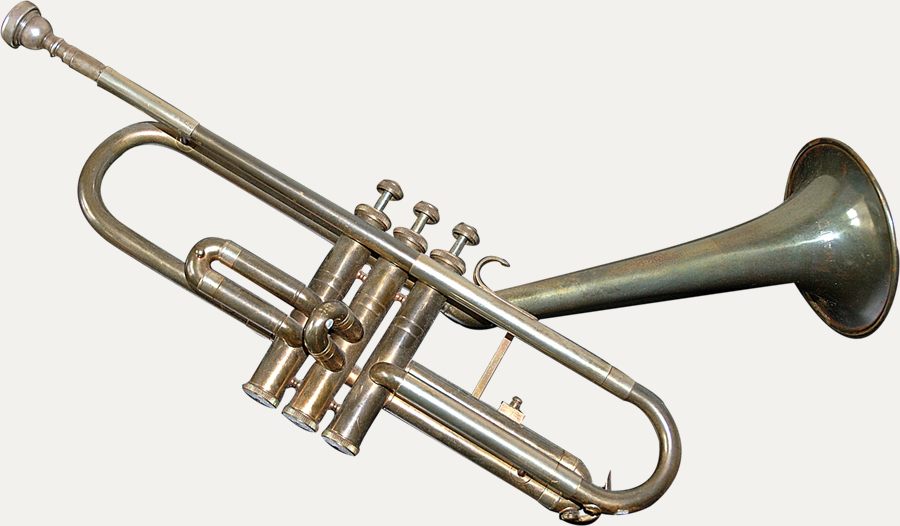
Most used trumpets are finished with either clear lacquer over brass, or silver plating, and buyers often ask whether this is purely cosmetic.
Care and durability
- Lacquer is a clear protective coating. It resists tarnishing well while intact, but once it wears through or chips - commonly where hands contact the horn - the exposed brass underneath will tarnish and the two finishes visibly diverge over time.
- Silver plate tarnishes on its own (silver naturally oxidizes) and needs periodic polishing with a silver polish cloth, but a light scratch or worn patch does not expose a different-looking base metal the way chipped lacquer does, since the tarnish can simply be polished off.
Does the finish change the tone?
This is a long-running, unresolved debate among players and repair techs - many hold that the finish has at most a subtle effect on tone compared to the much larger influence of bore size, bell material and the player's own airflow and embouchure. It is not a reason on its own to prefer one used trumpet over another.
What it means for buying used
Silver plate generally shows its age more evenly and can look presentable with a simple polish, while a lacquered horn with heavy brassing-through wear is showing honest, permanent finish wear rather than something a quick cleaning fixes - useful context when comparing two otherwise similar used trumpets.