 0
0
Saxophone
Eastman ETS652 52nd Street
No current price available
Availability: 0/10 (Very rare)
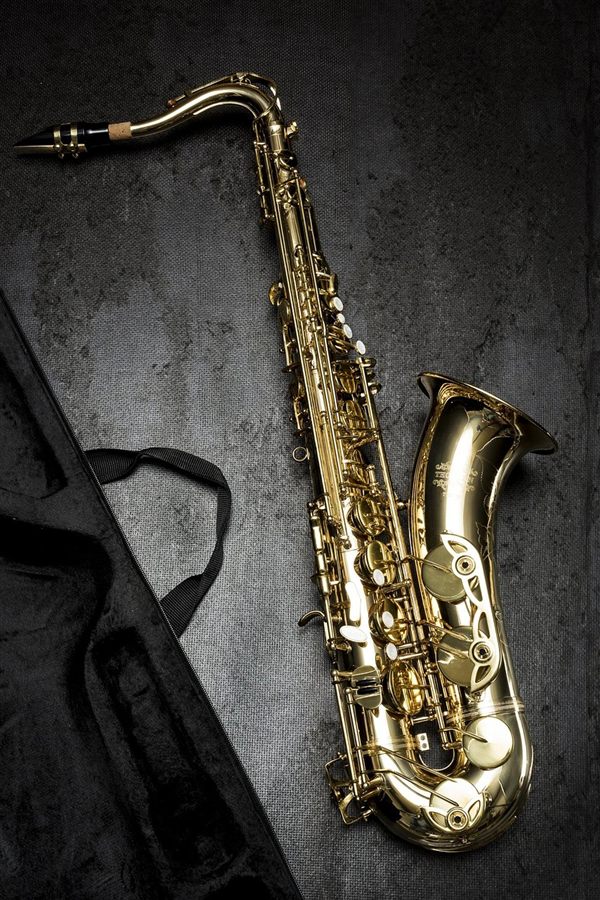
A vintage-styled professional tenor built with an unlacquered aged-brass finish and a steel wire inside the bell, a construction detail borrowed directly from pre-World War II saxophones.
About the Eastman ETS652 52nd Street
The 52nd Street's aged, unlacquered brass finish isn't purely cosmetic - Eastman uses thinner but harder brass than typical modern tenors, a metallurgical choice tied to the vintage tonal character the horn is built to evoke. The steel wire inside the bell is a direct callback to pre-war saxophone construction, a detail largely abandoned by modern manufacturers that Eastman specifically reintroduced to chase the response and resonance older horns are prized for.
A large bell and rolled-style tone holes support a broad, centered tone across the range, while hand engraving on the neck and bell - including a scene depicting the jazz history of 52nd Street itself - reflects the instrument's explicit design intent: not a generic professional tenor, but one built around the vintage American tenor sound associated with that stretch of jazz clubs. Double-braced low C, B and Bb keys and Italian leather pads round out a build aimed at players chasing that specific historical voice.
Where to buy
Unfortunately we can't currently find any offers for this instrument. Check back regularly - we update our listings several times a day.
Sound character of the Eastman ETS652 52nd Street
The unlacquered aged-brass finish and internal steel bell wire - a construction detail borrowed directly from pre-World War II saxophones - are chosen specifically to recreate the darker, more complex, less bright overtone structure of vintage tenors compared to a modern lacquered horn.
Technical data for the Eastman ETS652 52nd Street
| Finish | Unlacquered aged brass |
|---|---|
| Bell | Large, hand-engraved, steel wire reinforced |
| Tone holes | Rolled-style |
| Pads | Italian leather |
The history of the Eastman ETS652 52nd Street
Eastman built the 52nd Street tenor to evoke pre-war American saxophone construction and tone, naming it after the New York jazz-club street associated with that era's tenor sound.
Related guides
- Alto, Tenor, Soprano: Which Saxophone to Start On View details
- Checking Key Mechanics and Pads View details
- Why Soprano Saxophone Is a Harder Second Horn, Not a Beginner Choice View details